
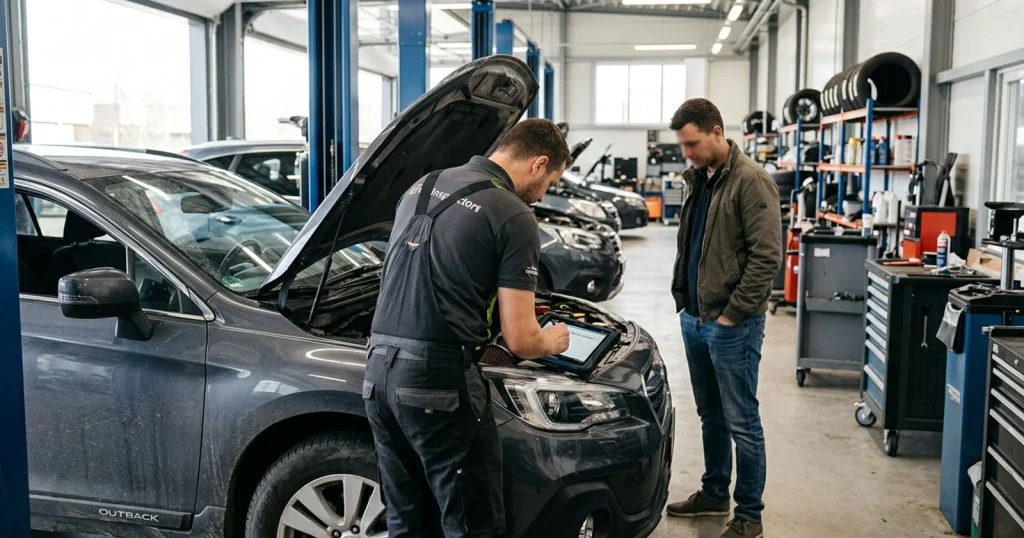
Every month you spend guessing whether your lift kit or aftermarket exhaust is dragging down your offer is a month your car keeps losing value to age and mileage. Most owners either rip off parts that were never a problem or leave on parts that quietly cost them real money.
So, do aftermarket parts decrease car value? Usually yes, but the size of the hit depends on three things: the type of part, the quality of the install, and who is buying.
Table of Contents
- Do Aftermarket Parts Decrease Car Value?
- Which Parts Hurt Value Most
- Should You Remove Mods Before Selling?
- Where Modified Cars Sell Best in PA
- Frequently Asked Questions
Do Aftermarket Parts Decrease Car Value?
Usually, yes. National retail buyers price a car for the widest possible resale audience, so anything that narrows that audience or complicates certification lowers the offer. USA Today’s coverage of CarMax’s process notes the company aims for a data-driven offer and warns that any aftermarket modification can devalue your car.
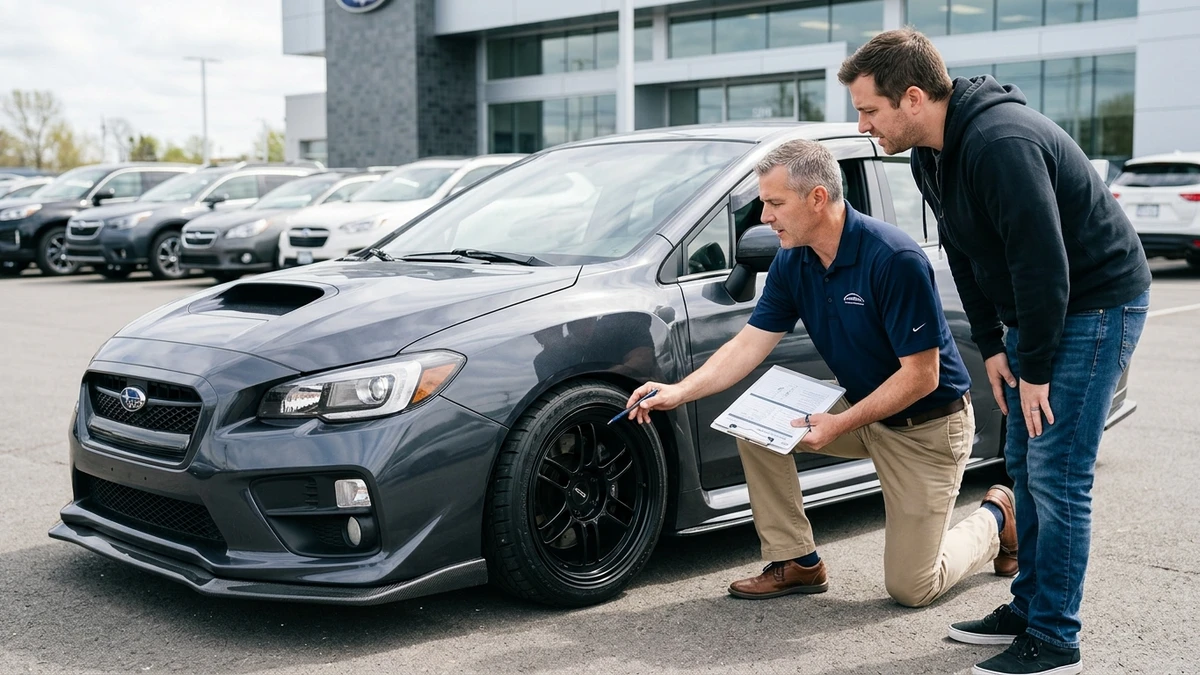
Published analyses put numbers on it. One says non-OEM wheels, lift kits, audio systems and performance tuning typically reduce offers by about 3 to 10 percent at that buyer. Another puts the hit at 8 to 12 percent for lift kits, non-OEM exhausts and performance chips on damaged vehicles. Treat these as ranges, not promises.
The exception matters. Mods that are reversible, documented and close to factory spec often cost little or nothing. Professional window tint, quality floor liners and a removable roof rack tend to land neutral or slightly positive.
Which Parts Hurt Value Most
Not all mods are equal. Sort yours into three tiers.
- High penalty: engine tunes or chips, lift or lowering kits, loud non-OEM exhausts, and anything involving cut or modified frames and bumpers.
- Medium penalty: custom wheels, large aftermarket audio systems, body kits, and window tint darker than Pennsylvania allows.
- Low penalty: quality brakes, filters and tires that match OEM performance, plus bolt-on accessories.
Enthusiast mods are not the same as repair parts
Most ranking pages blur this line, and it matters. Insurers often specify aftermarket body panels because they run 26 to 50 percent cheaper than OEM. You did not choose those parts. Buyers who read the repair record may still discount for fit, finish and ADAS sensor calibration concerns.
The compounding problem
Aftermarket parts plus an accident history report can cost more than either alone. One source says accident history alone typically triggers a 15 to 35 percent resale loss, and aftermarket parts are treated as a contributing factor. The repair record flags both at once.
Buyers also price in hidden risk: warranty questions on newer cars, emissions and inspection concerns, insurance questions, and doubt about who did the install. Think of it like a house with an unpermitted addition. The work may be fine, but the next buyer has to take your word for it.
Should You Remove Mods Before Selling?
Use a simple test. If the part bolts off in under an hour and you still have the original, put it back. If removal means cutting, rewiring, or paying a shop more than the likely offer gain, leave it alone.
Pro Tip: Keep the original wheels, exhaust and ECU tune in a box and offer them with the car. Sometimes selling the mods separately beats leaving them on, because an enthusiast will pay more for them than a wholesale buyer ever will.
Three mistakes cost sellers real money:
- Removing parts and leaving damage or missing hardware behind.
- Hiding mods during the appraisal. They show up in the inspection and in history data.
- Paying for repairs that never come back in the offer. Before you spend a dollar, read our take on whether to fix your car before selling.
Paperwork helps. Receipts, shop invoices and before-and-after photos let a buyer judge install quality, and they can soften the penalty for work that was done well. A tidy folder tells the buyer you did this right.
Where Modified Cars Sell Best in PA
Buyer type changes everything. CarMax-style retail buyers use a 125-point inspection and fixed, written offers, and they prefer cars they can certify and resell at scale. A modified car fights that model. Trade-in desks want the same clean, stock inventory, which is why it pays to compare selling your car versus trading it in before you commit.
A private buyer who wants your exact setup may pay more, but private sales take time, haggling and strangers in your driveway. A local cash buyer who values the car as it sits can be more flexible. Check any national buyer’s public appraisal page for how its process works instead of relying on a number from a blog.
Pennsylvania adds a local wrinkle. The annual safety inspection and emissions rules can turn certain exhaust, tint and lift modifications into compliance problems for the next owner, and buyers know it. On the other hand, steady truck and Jeep demand across Dauphin, Cumberland and Lancaster counties means some mods are less of a penalty here than they would be elsewhere.
Mod-heavy cars also bring complicated paperwork. A financed project car may still carry a lien. A car repaired after a collision may wear a salvage or rebuilt title. Some owners cannot find the title at all. Sell To Cramer buys cars with loans or liens, salvage titles and no title, and the payoff is handled for you.
We are family-owned since 1939 with same-day payment and no haggling. Before you spend a weekend or a dollar undoing mods, get a written offer in about 60 seconds and see what the car is worth today. So, do aftermarket parts decrease car value on your specific car? A real number answers that better than any range. Get My Cash Offer and decide with that number in hand.
Frequently Asked Questions
Do aftermarket parts void my car’s warranty?
Generally no. Under the Magnuson-Moss Warranty Act, a dealer must typically show the aftermarket part caused the failure before denying a claim. Disputes are still common, so keep every receipt and service record.
Do aftermarket wheels and tires lower trade-in value?
Quality tires with good tread are usually neutral or even positive. Heavily customized wheels narrow the buyer pool, and that is what pulls offers down.
Will aftermarket collision parts show up when I sell?
Often, yes. Repair invoices, history reports and the physical inspection regularly surface them, so disclose them up front.
Can I sell a modified car with a loan still on it?
Yes. A cash buyer pays off the lender directly and sends you any difference, so the lien does not block the sale.
Do performance mods affect insurance and resale?
They can. Insurers may charge more or deny claims on undisclosed mods, and buyers factor that risk into what they offer.